

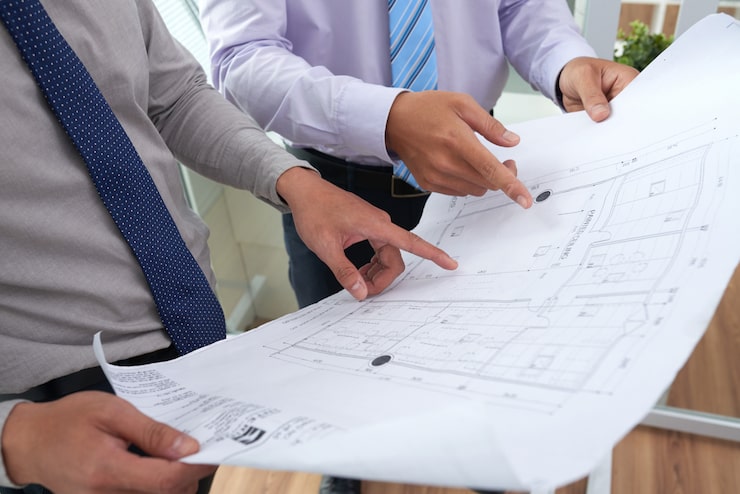
For many homeowners, building or renovating a home can feel overwhelming—not because of the work itself, but because of uncertainty around the process. Understanding how a residential building project typically unfolds can remove much of the stress and help homeowners feel more confident at every stage.
Step 1: Early Planning and Feasibility
Every successful project starts with clarity. Before any design work begins, builders assess the feasibility of a project based on block conditions, existing structures, council requirements, and budget considerations. This stage helps identify potential constraints early, such as structural limitations or compliance requirements under Australian Standards.
Clear planning at this stage reduces the risk of design changes later, which can otherwise impact timelines and costs.
Step 2: Design, Documentation, and Approvals
Once feasibility is established, plans are developed in line with the homeowner’s goals and regulatory requirements. Detailed documentation is essential, as it forms the foundation for accurate pricing and approval processes.
In areas like North Brisbane, council approvals and certifications can vary depending on the type of work and the age of the property. Builders familiar with the region understand how to navigate these requirements efficiently, reducing unnecessary delays.
Step 3: Pricing Transparency and Contracting
One of the most misunderstood parts of building is pricing. Homeowners often see significant variations between quotes, which usually comes down to differences in inclusions, allowances, and assumptions.
Understanding how pricing is structured—and how variations are handled—creates transparency. A qualified builder north Brisbane homeowners trust will clearly document inclusions and explain what may cause costs to change during construction.
Step 4: Construction and Site Management
During construction, coordination becomes critical. Trades, materials, inspections, and timelines must align for the project to progress efficiently. Good site management ensures work is completed safely, cleanly, and to the required standard.
Regular communication during this phase helps homeowners stay informed without needing to manage day-to-day site activity themselves.
Step 5: Final Inspections and Handover
As construction nears completion, final inspections ensure the work meets contractual and regulatory requirements. Any defects or outstanding items are addressed before handover, ensuring the home is ready for use.
This final stage is not just about completion—it’s about accountability and delivering work that meets expectations long after the build is finished.
Why Understanding the Process Matters
When homeowners understand the building process, they are better equipped to ask the right questions, make informed decisions, and avoid common pitfalls. Knowledge creates confidence, and confidence leads to smoother projects and better outcomes.
Whether planning a renovation, extension, or new build, understanding how professional builders operate provides clarity and peace of mind throughout the journey.