


Singapore’s property market is widely regarded as one of the most resilient in the world, yet it is not immune to economic cycles, regulatory changes, or shifting buyer behavior. Over time, certain types of properties demonstrate stronger staying power than others. One increasingly important factor behind this resilience is residential flexibility.
Market volatility often exposes weaknesses in rigid housing designs. Homes that serve only one type of household or lifestyle tend to lose relevance when buyer preferences change. In contrast, flexible homes are better equipped to withstand uncertainty because they appeal to a broader audience and remain functional across multiple life stages.
Residential flexibility refers to a home’s ability to support different uses without requiring structural changes. This includes adaptable layouts, efficient room proportions, and spaces that can be repurposed easily. During periods of economic uncertainty, such features become highly valuable because they reduce the likelihood that owners will feel forced to sell or significantly renovate.
Developments such as Vela Bay are well positioned within this context. Homes designed with adaptable layouts can accommodate a range of living arrangements, from work-from-home setups to changing family dynamics. This versatility allows properties to remain attractive even as lifestyle trends evolve.
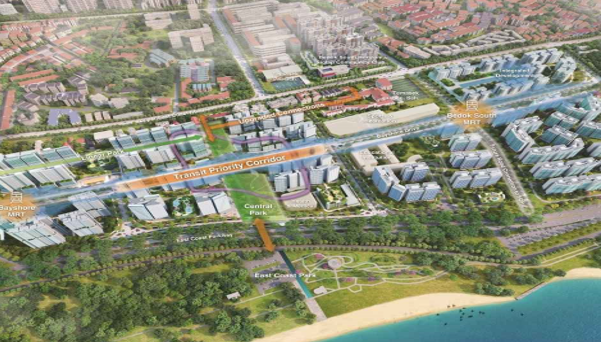
At a broader scale, community planning also contributes to market resilience. Tengah Garden Residences is located within a carefully planned district that integrates amenities, green spaces, and daily conveniences. When residents can meet many of their needs within their immediate environment, properties become less vulnerable to external disruptions such as transportation challenges or shifts in workplace locations.
From an investment standpoint, flexibility reduces risk. Properties with adaptable layouts appeal to a wider tenant pool, supporting stable rental demand even when specific market segments slow. This helps maintain occupancy rates and income consistency, two critical factors during uncertain market conditions.
Flexible homes also support longer holding periods. Owners are less likely to sell prematurely due to space limitations or lifestyle changes, which helps preserve equity and avoid transaction costs. This holding power is particularly valuable during market downturns, when selling under pressure may result in reduced returns.
As Singapore’s property market continues to mature, adaptability has become a defining characteristic of resilient residential assets. Flexibility does not eliminate market risk, but it significantly reduces exposure by ensuring continued relevance across changing conditions.
