

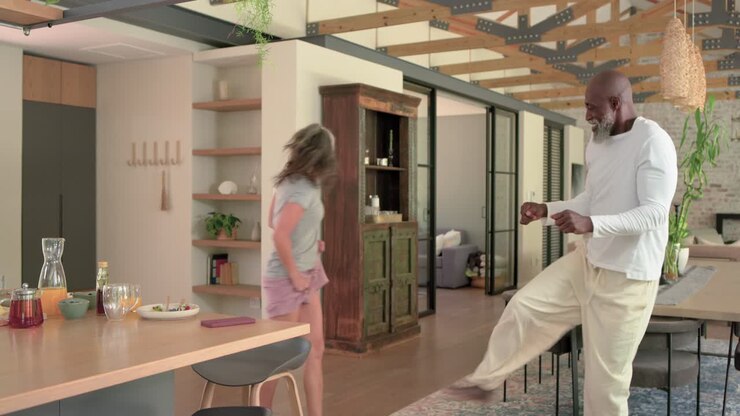
Building a home is one of the most significant investments many people make during their lifetime. While pre-designed homes offer convenience, many homeowners prefer a residence that reflects their lifestyle, preferences, and long-term goals. This growing demand for personalized living spaces has increased the importance of custom home builders in the residential construction industry.
Custom homes provide flexibility, individuality, and the opportunity to create a living environment tailored to specific needs. From architectural design and floor plans to materials and finishing details, custom home builders help homeowners transform ideas into reality while ensuring quality craftsmanship throughout the construction process.
What Are Custom Home Builders?
Custom home builders are construction professionals who specialize in designing and building homes according to the unique specifications of their clients. Unlike production builders who construct multiple homes using standardized plans, custom builders create one-of-a-kind residences based on individual requirements.
These professionals oversee various aspects of the construction process, including:
-
Site evaluation
-
Project planning
-
Architectural coordination
-
Permit management
-
Material selection
-
Construction supervision
-
Quality control
-
Final project completion
Their role extends beyond construction, as they often collaborate closely with homeowners throughout every stage of the project.
Why More Homeowners Are Choosing Custom Homes
Modern homeowners increasingly seek properties that align with their personal lifestyles and future needs. Standard floor plans may not always provide the flexibility or functionality desired by growing families, retirees, or individuals with specific design preferences.
Custom homes allow homeowners to make important decisions regarding:
-
Room layouts
-
Architectural styles
-
Interior finishes
-
Energy-efficient features
-
Smart home technology
-
Outdoor living spaces
-
Storage solutions
This level of personalization creates a home that feels unique and better suited to daily life.
The Benefits of Working with Custom Home Builders
Choosing a custom-built home offers numerous advantages that extend beyond aesthetics.
Complete Design Flexibility
One of the most appealing aspects of working with custom home builders is the ability to design a home from the ground up.
Homeowners can select:
-
Open-concept floor plans
-
Additional bedrooms
-
Home offices
-
Entertainment spaces
-
Gourmet kitchens
-
Multi-generational living areas
This flexibility allows every part of the home to serve a specific purpose.
Personalized Architectural Style
Every homeowner has different preferences when it comes to design. Custom home builders can create homes in various architectural styles, including:
-
Modern
-
Contemporary
-
Traditional
-
Farmhouse
-
Craftsman
-
Mediterranean
-
Luxury estate designs
The result is a residence that reflects the homeowner’s personality and vision.
Quality Construction Standards
Custom builders often focus on craftsmanship and attention to detail. Because projects are tailored to individual clients rather than mass-produced, greater emphasis is typically placed on construction quality.
This commitment can contribute to:
-
Improved durability
-
Better material performance
-
Enhanced structural integrity
-
Long-term value
Quality construction helps ensure that the home remains functional and attractive for years to come.
The Custom Home Building Process
Building a custom home involves multiple phases that require careful planning and coordination.
Initial Consultation
The process begins with discussions regarding goals, budget, design preferences, and desired features.
Builders gather information about the homeowner’s vision while evaluating project feasibility.
Design and Planning
Architectural plans are developed based on client requirements. During this stage, homeowners make important decisions regarding layout, room sizes, exterior appearance, and special features.
Detailed planning helps establish a clear roadmap for construction.
Site Preparation
Before construction begins, the building site must be prepared. This may involve:
-
Land clearing
-
Grading
-
Utility installation
-
Foundation preparation
Proper site preparation provides a stable base for the structure.
Construction Phase
Once permits are approved and preparations are complete, construction begins. Builders coordinate various trades and contractors while monitoring quality and progress.
Key stages include:
-
Foundation work
-
Framing
-
Roofing
-
Electrical installation
-
Plumbing
-
HVAC systems
-
Interior finishes
Each phase contributes to the overall quality and functionality of the completed home.
Final Walkthrough
Before project completion, homeowners conduct a final walkthrough to review workmanship and verify that all specifications have been met.
This step ensures satisfaction before occupancy.
Energy Efficiency in Custom Homes
Energy efficiency has become a major priority in residential construction. Many homeowners work with custom home builders to incorporate sustainable design features that reduce energy consumption and operating costs.
Popular energy-efficient upgrades include:
-
High-performance insulation
-
Energy-efficient windows
-
Smart thermostats
-
Solar-ready systems
-
LED lighting
-
Advanced HVAC equipment
These features can improve comfort while lowering long-term utility expenses.
Smart Home Technology Integration
Modern custom homes frequently incorporate advanced technology systems that enhance convenience, security, and efficiency.
Examples include:
-
Automated lighting controls
-
Smart security systems
-
Video doorbells
-
Voice-controlled devices
-
Home automation platforms
-
Integrated entertainment systems
Custom home builders can design infrastructure that supports both current and future technology requirements.
Budget Considerations
One common misconception is that custom homes are always significantly more expensive than production homes. While customization may increase costs depending on design complexity and material choices, homeowners maintain greater control over spending decisions.
Working with experienced custom home builders allows clients to prioritize investments based on their goals and budget constraints.
Clear communication and detailed planning help prevent unexpected expenses during construction.
Choosing the Right Custom Home Builder
Selecting the right builder is one of the most important decisions in the home-building process.
Homeowners should evaluate factors such as:
-
Industry experience
-
Portfolio of completed projects
-
Reputation and reviews
-
Communication practices
-
Licensing and insurance
-
Construction quality standards
A qualified builder provides guidance, transparency, and professional expertise throughout the project.
Strong builder-client relationships often contribute to smoother construction experiences and better outcomes.
Long-Term Value of a Custom Home
Custom homes offer benefits that extend beyond initial occupancy. Because the design is tailored to specific needs and preferences, homeowners often enjoy greater satisfaction and functionality over time.
Potential long-term advantages include:
-
Personalized living spaces
-
Improved energy efficiency
-
Higher-quality construction
-
Enhanced resale appeal
-
Adaptability to changing needs
These factors can contribute to both lifestyle enjoyment and property value.
Conclusion
Custom home builders play a vital role in helping homeowners create residences that reflect their unique lifestyles, preferences, and future goals. Through personalized design, quality craftsmanship, and professional project management, these builders transform ideas into functional and beautiful living spaces.
From architectural planning and energy-efficient features to smart technology integration and premium finishes, custom homes offer a level of personalization that standard housing options often cannot match. For those seeking a home designed specifically around their vision, working with experienced custom home builders can be one of the most rewarding investments they make.