

Pruning is one of the most important things you can do for the trees on your property but it’s also one of the easiest tasks to get wrong. Done well, pruning encourages strong growth, improves safety, and keeps trees looking their best. Done poorly, it can stunt development, invite disease, and even kill an otherwise healthy tree.
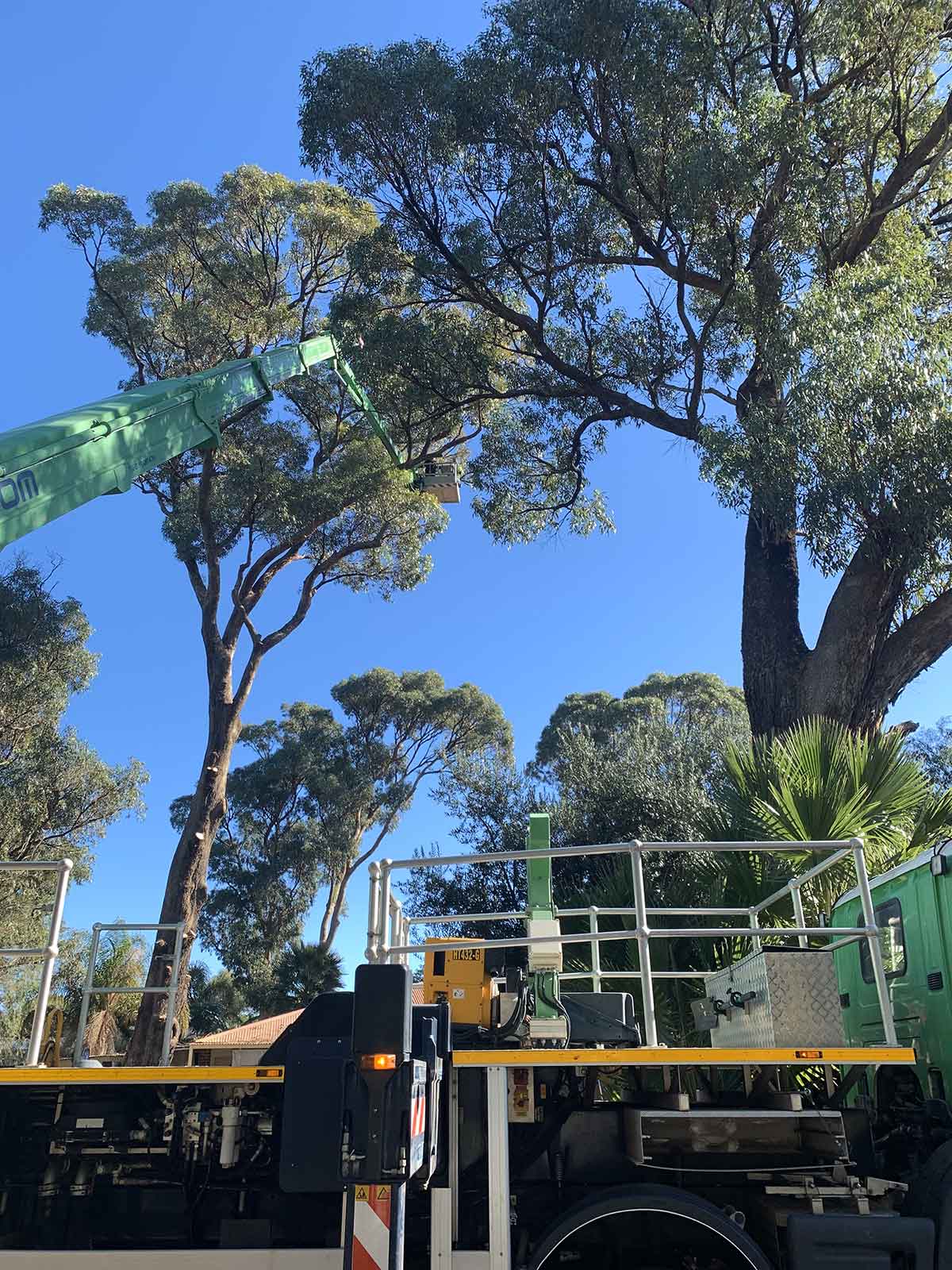
Many Aussie homeowners take on tree work themselves with the best intentions, only to cause long-term damage. Whether you’re trimming a backyard gum or shaping a leafy ornamental, knowing what not to do is just as important as knowing what to do. Professional tree pruning services exist for good reason, and understanding common pitfalls can help you decide when to grab the secateurs and when to call in the experts.
Here are the most common tree pruning mistakes homeowners make and how to avoid them.
1. Pruning at the Wrong Time of Year
Timing matters more than most people realise. Pruning during the wrong season can stress a tree, slow its recovery, and leave it vulnerable to pests and disease.
As a general rule:
-
Late winter to early spring is ideal for most deciduous trees, as they’re dormant and recover quickly.
-
Summer pruning can be useful for shaping, but heavy cuts in extreme heat can cause sunburn on exposed bark.
-
Autumn pruning is usually best avoided, since fungal spores are abundant and wounds heal slowly.
Native species like eucalypts and bottlebrushes have their own preferences, so it pays to research before you start. When you’re unsure, consulting a qualified arborist saves you from costly missteps.
2. Over-Pruning or Excessive Tree Trimming
One of the most damaging mistakes is removing too much foliage in a single session. Some homeowners assume that aggressive tree trimming will encourage fuller regrowth, but the opposite is usually true.
Removing more than 25% of a tree’s canopy in one go can:
-
Shock the tree and weaken its immune defences
-
Trigger excessive water shoots (weak, vertical growth)
-
Reduce its ability to photosynthesise
-
Expose the trunk to harmful UV rays
A measured, gradual approach always produces better results than a heavy-handed chop.
3. Using Incorrect Tools
The right tool makes all the difference. Blunt blades, rusty secateurs, or oversized loppers can tear bark, crush stems, and leave jagged wounds that struggle to heal.
For clean cuts, you’ll want:
-
Bypass secateurs for small branches under 2 cm
-
Loppers for branches up to 4 cm
-
A pruning saw for anything thicker
-
A pole pruner for high branches (with caution)
Always clean your tools between trees to prevent spreading pathogens. A quick wipe with methylated spirits does the job.
4. Cutting Branches Improperly
Even with the right tools, technique matters. Two of the most common cutting mistakes include:
Flush cuts: slicing too close to the trunk, which damages the branch collar (the swollen area where the branch meets the trunk). This vital tissue helps the tree seal wounds, and cutting through it invites rot.
Stub cuts: leaving too much of the branch behind. Stubs die back and become entry points for disease.
The correct technique is the three-cut method: an undercut, a top cut to remove the bulk of the branch, and a final clean cut just outside the branch collar.
5. Ignoring Tree Health Warning Signs
Tree Pruning a tree that’s already unwell can accelerate its decline. Before you start cutting, take a moment to inspect the tree for:
-
Fungal growth or bracket fungi on the trunk
-
Cracks, cavities, or peeling bark
-
Dead branches or dieback in the canopy
-
Insect infestations or sap leaks
-
Lean or soil disturbance near the base
If you notice any of these, hold off on pruning and arrange a professional assessment. Sometimes a tree needs treatment, not trimming.
6. DIY Pruning Near Powerlines or Large Trees
This one’s serious. Working near powerlines, tackling large limbs, or climbing tall trees without proper training is genuinely dangerous. Every year, Australians are seriously injured and sometimes killed attempting risky DIY tree work.
You should never:
-
Prune within three metres of powerlines (it’s illegal in most states without certification)
-
Use a chainsaw on a ladder
-
Tackle limbs above head height without proper rigging
-
Work alone on large trees
If a job feels beyond your skill level, it almost certainly is. Qualified tree services have the training, insurance, and equipment to handle high-risk work safely.
7. Why Professional Tree Pruning Services Matter
Engaging professional tree pruning services brings benefits that go well beyond convenience. Qualified arborists understand tree biology, species-specific requirements, council regulations, and safe work practices.
A professional will:
-
Diagnose health issues before they spread
-
Use proper cutting techniques that promote healing
-
Comply with local council rules and protected tree laws
-
Carry insurance to cover any unexpected damage
-
Dispose of green waste responsibly
For homeowners managing mature trees, ongoing relationships with trusted tree services often work out cheaper than emergency callouts after storms or failed DIY attempts.
Conclusion
Trees are long-term investments in your property, your comfort, and the environment. Avoiding common tree pruning mistakes like poor timing, over-trimming, dodgy tools, and risky DIY work can save you money, prevent injury, and keep your trees thriving for decades.
When in doubt, leave the big jobs to qualified professionals. Reliable tree pruning services offer expertise that simply can’t be replicated with a YouTube tutorial and a pair of loppers. Healthy trees start with informed decisions, and knowing when to step back is one of the smartest moves any homeowner can make.