

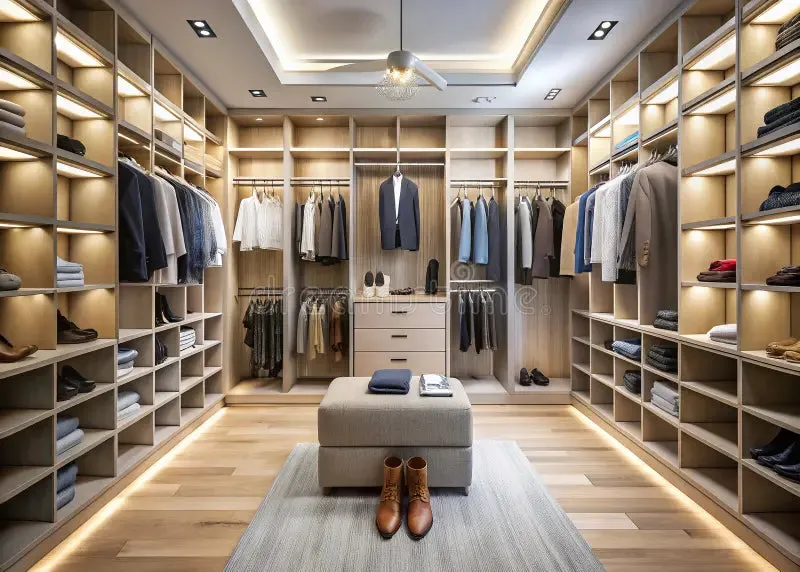
Good storage should make a room easier to use without making it feel packed with furniture. Shelves, cabinets, baskets, and drawers can all help, but the wrong combination may simply move clutter from one place to another. People searching for Best Modern Adjustable Shelves USA are often looking for flexibility because household needs change over time. The most useful approach is to think first about what needs to be stored, how often those items are used, and how much visual space the room can comfortably handle.
Start by Reducing What Needs Storage
Before buying another shelf or cabinet, sort the items that will go into it. Storage becomes bulky when it is designed around belongings that are rarely used.
Separate items into everyday, occasional, seasonal, and unnecessary categories. Frequently used objects should stay within easy reach, while seasonal pieces can be stored higher or deeper. Items that no longer serve a purpose can be donated, recycled, or removed.
This step often reduces the amount of storage furniture needed.
Match the Storage Type to the Room
Different rooms need different solutions. Kitchen storage should make tools and ingredients easy to reach. Bedroom storage may focus on clothing and personal items, while living-room storage often needs to balance function with appearance.
Adjustable shelving can be useful where the height of stored items changes, but it is not automatically the best option everywhere. Drawers, baskets, closed cabinets, or wall-mounted units may work better depending on the contents.
Use Vertical Space Without Filling Every Wall
Vertical storage can add capacity when floor space is limited. Tall units or wall-mounted shelves are useful for books, pantry supplies, office materials, or decor.
However, covering an entire wall with storage can make a small room feel heavy. Leaving some open space creates visual breathing room.
Keep everyday items at a comfortable height. Lighter or less frequently used objects can go higher, while heavy items are easier to manage on lower shelves.
Measure More Than the Empty Wall
A cabinet can technically fit a wall and still make the room difficult to use. Measure width, height, and depth, then check nearby door swings, outlets, vents, baseboards, and walking paths.
Painter’s tape can be used to mark the proposed footprint on the floor. This gives a more realistic idea of how much space the furniture will occupy.
When shopping online, dimensions are more reliable than styled photographs.
Choose Essentials Around the Way You Organize
Storage works better when it supports the rest of the home rather than being treated as a separate project. People comparing Best Curated Home Essentials USA can think about how each purchase will actually be stored and used.
For example, buying several kitchen gadgets may create a countertop problem if there is nowhere practical to keep them. Decorative objects can also overwhelm open shelving when too many are added at once.
Choosing fewer, more useful household items can reduce the need for extra storage later.
Mix Open and Closed Storage
Open shelves are useful for books, plants, frequently used items, and objects worth displaying. Their disadvantage is that too many visible items can make a room look busy.
Closed storage works better for paperwork, cables, cleaning supplies, and irregular objects that do not need to remain on display.
Combining the two often creates the most balanced result. Keep attractive or regularly used pieces visible and place practical clutter behind doors, inside drawers, or in simple containers.
Avoid Over-Organizing
A storage system should reduce effort. If every object requires several steps to put away, the system may be too complicated to maintain.
Broad categories often work better than highly specific ones. One basket for frequently used accessories may be more practical than several small containers that need constant sorting.
Good organization should match normal behavior rather than demand a completely new routine.
Leave Room for Change
Storage needs evolve. A home office can become a guest room, hobbies may require additional space, or a household may accumulate different belongings over time.
Adjustable or modular systems can help because they can be rearranged. Even with fixed furniture, leaving some unused capacity is useful.
Conclusion
Flexible storage starts with understanding the room and the people using it. Sorting belongings, measuring carefully, selecting the right mix of open and closed storage, and leaving room for change can create a system that remains useful over time.
The best solution is not necessarily the largest cabinet or the most elaborate shelving system. It is the one that supports everyday habits without dominating the room. When storage is planned around real needs, organization becomes easier to maintain, and the space can still feel open, comfortable, and visually balanced.