


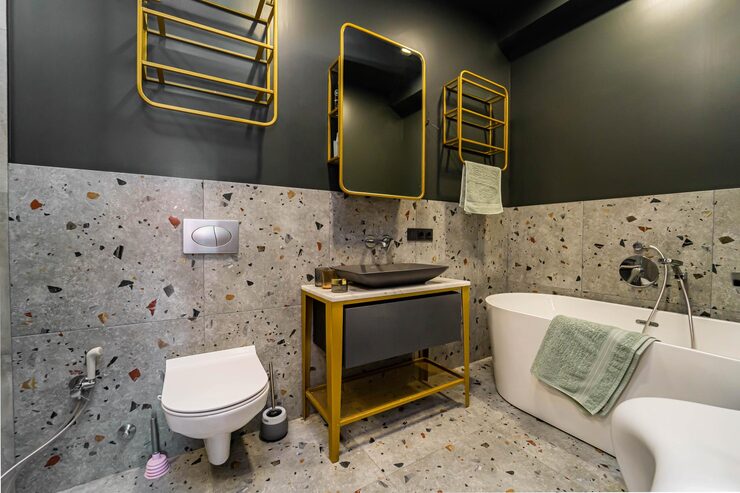
Bathrooms are among the smallest rooms in a home, yet they are often the most technically demanding to renovate. From waterproofing and ventilation to plumbing tolerances and material selection, a bathroom renovation is less about aesthetics alone and more about precision, sequencing, and compliance. Understanding what actually goes into the process helps homeowners make better decisions and avoid costly mistakes.
Bathrooms Are High-Risk Areas by Design
Unlike other rooms, bathrooms are constantly exposed to moisture. Steam, splashing water, humidity, and temperature fluctuations all place stress on walls, floors, and fixtures. This is why waterproofing standards in Australia are strict and why failures often don’t show immediately. A minor waterproofing error can take months—or even years—to become visible, often revealing itself only after structural damage has already occurred.
This is also why renovations should never be rushed or treated as purely cosmetic updates. Replacing tiles or fixtures without addressing what’s underneath can mask deeper issues rather than solve them.
The Order of Work Matters More Than Most People Realise
One of the most common renovation problems arises from incorrect sequencing. For example, tiling before waterproofing or fitting fixtures before allowing surfaces to properly cure can compromise the entire bathroom. A standard renovation typically follows a carefully structured order:
- Removal of old fixtures and finishes
- Assessment of underlying surfaces and moisture damage
- Waterproofing and curing time
- Tiling and grouting
- Fit-off of plumbing and electrical fixtures
Skipping or compressing any of these steps increases the risk of leaks, movement, or premature wear. This is where experience matters, particularly when dealing with older homes that may not meet current building standards.
Materials Are Not All Created Equal
Tiles, adhesives, waterproof membranes, and sealants vary significantly in quality and application. While many products may look similar on the surface, their performance under long-term moisture exposure can differ greatly. Cheaper materials may save money upfront but often lack flexibility or durability, making them prone to cracking or failure.
Similarly, fixtures such as vanities and shower screens need to be selected with both space constraints and moisture resistance in mind. Bathrooms demand materials designed specifically for wet environments, not repurposed alternatives.
Compliance Is Not Optional
Australian building codes and Queensland regulations exist for a reason. Bathrooms must comply with waterproofing standards, electrical safety requirements, and plumbing codes. Non-compliant work can lead to insurance issues, failed property inspections, or expensive rectification work later on.
This is why many homeowners choose to work with a qualified bathroom builder who understands not only how bathrooms should look, but how they must perform over time. Compliance isn’t about bureaucracy—it’s about protecting the structure of the home and the people living in it.
Renovations Reveal More Than Expected
It’s common for issues such as water ingress, rotting timber, or outdated plumbing to be discovered only after demolition begins. Older bathrooms, in particular, may contain materials or construction methods that are no longer recommended or allowed.
Being prepared for these discoveries is part of responsible renovation planning. Addressing them properly during the renovation stage is far more cost-effective than ignoring them and dealing with consequences later.
Budget Doesn’t Have to Mean Cutting Corners
A budget-conscious renovation is not the same as a low-quality renovation. Smart planning, realistic expectations, and clear scope definition allow homeowners to achieve durable, modern bathrooms without unnecessary upgrades or structural changes.
Keeping plumbing points in the same locations, choosing proven materials, and focusing on functional improvements often delivers better long-term value than chasing trends or over-customisation.
A Bathroom Is a System, Not Just a Room
At its core, a bathroom is a system where waterproofing, drainage, ventilation, and structure work together. When one component fails, the entire system is compromised. This is why experience, methodical work, and attention to detail matter far more than surface finishes alone.
Whether the goal is a refresh or a full renovation, understanding the complexity behind the walls and under the tiles helps homeowners make informed decisions—and ensures the bathroom remains functional and trouble-free for years to come.
