

Implementing a structured preventative maintenance for commercial doors program is one of the highest-return operational investments a facility manager can make. Warehouses, auto service bays, distribution centers, and retail loading docks rely on heavy-duty entry systems to open and close dozens or even hundreds of times each day. Without scheduled inspections and proactive servicing, minor friction or cable wear on commercial overhead doors can trigger sudden breakdowns that halt freight movement, compromise building security, and lead to costly emergency repair bills.
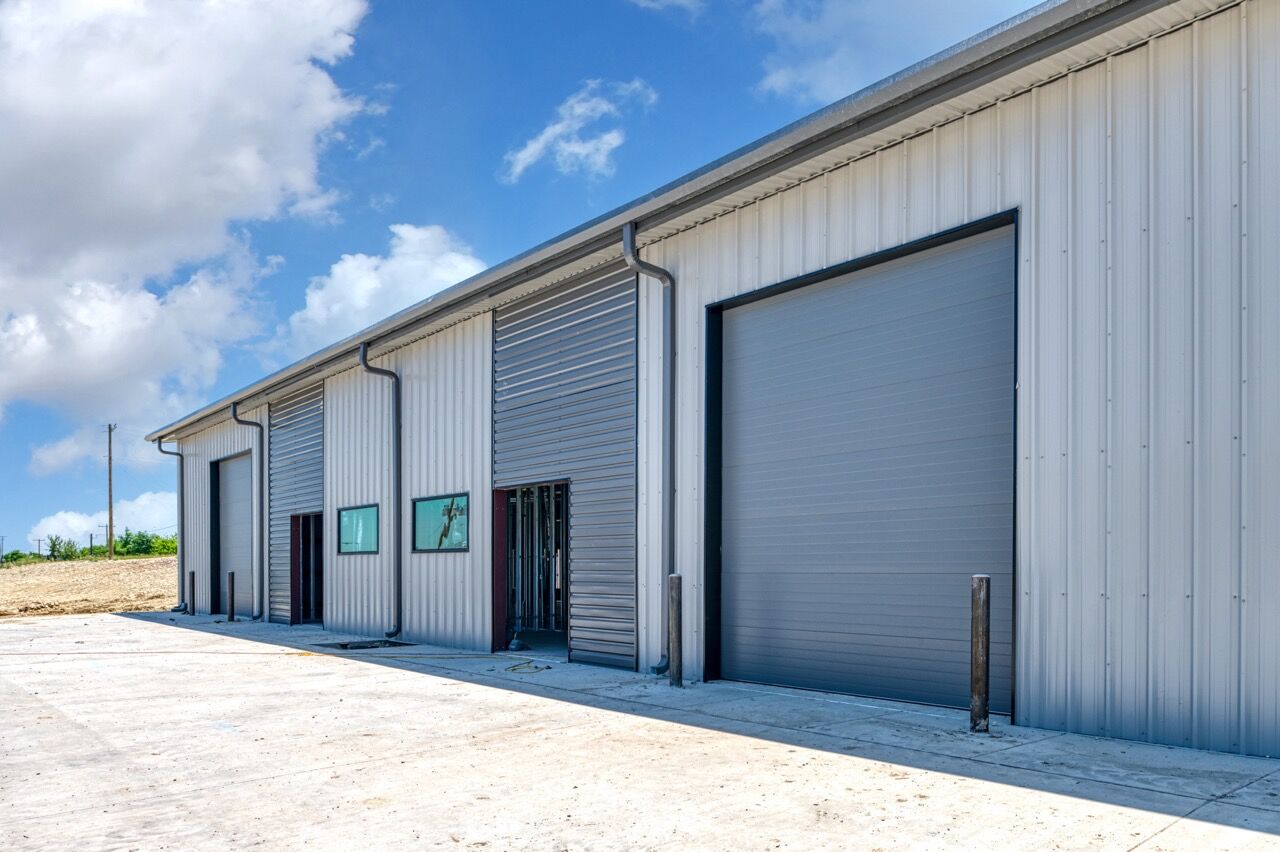
In this guide, we outline why routine servicing protects business continuity, what components require regular attention, and how to build a practical maintenance schedule for your facility.
Why Preventative Maintenance Protects Your Bottom Line
Unlike residential doors that cycle three to five times a day, commercial systems endure relentless mechanical stress, temperature fluctuations, and exposure to dust or forklift traffic. Reactive repairs force your business to absorb peak emergency labor rates while dealing with stalled deliveries and lost employee productivity.
A proactive servicing plan catches worn bearings, frayed lift cables, and misaligned safety sensors months before they fail. Consistent upkeep also satisfies OSHA workplace safety standards and keeps manufacturer warranties valid across high-cycle torsion assemblies and motorized operators.
Key Takeaway: Every dollar invested in scheduled commercial door maintenance saves an estimated three to five dollars in emergency breakdown repairs, lost freight time, and premature hardware replacement.
Critical Components Checked During Routine Servicing
Comprehensive preventative maintenance for commercial doors covers both mechanical counterbalance hardware and automated electrical controls. Technicians evaluate several core areas during every scheduled visit.
High-Cycle Springs, Shafts, and Cables
-
Torsion Springs: Technicians inspect coils for gaps, rust, or metal fatigue and verify proper counterbalance tension so the door lifts evenly without straining the operator.
-
Lift Cables and Drums: Steel aircraft cables are checked closely for fraying, kinking, or corrosion, particularly near the bottom corner brackets where moisture collects.
-
Bearings and Shafts: Center and end bearing plates are lubricated and checked for wear that could cause shaft binding.
Tracks, Rollers, and Structural Hardware
-
Track Alignment: Vertical and horizontal tracks are inspected for forklift dents, loose wall brackets, and proper spacing.
-
Heavy-Duty Rollers and Hinges: Steel or reinforced nylon rollers are checked for flat spots, while commercial hinges and reinforcement struts are torqued to prevent panel sagging.
-
Perimeter Weather Seals: Bottom astragals and side vinyl seals are evaluated to block drafts, pests, and water intrusion.
Operators and Safety Systems
-
Commercial Operators: Drive chains, belts, gearboxes, and clutch assemblies are adjusted and lubricated for smooth starts and stops.
-
Photo-Eye Sensors and Reversing Edges: Safety reversing mechanisms are tested to confirm the door immediately stops and reverses upon detecting an obstruction.
Recommended Commercial Door Maintenance Schedule
Establishing clear inspection intervals between in-house staff and certified technicians ensures nothing slips through the cracks. The table below outlines an effective maintenance cadence for active commercial facilities.
Step-by-Step Monthly In-House Inspection Checklist
Facility supervisors can prevent many unexpected shutdowns by walking through a quick five-minute inspection on the first of every month.
-
Observe Full Door Travel: Run the door through a complete open and close cycle while listening for grinding, squealing, or popping sounds that signal dry bearings or binding tracks.
-
Test Safety Reversing Features: Place a solid object in the path of the photo-eye beam or test the pneumatic bottom edge to verify instant reversal.
-
Inspect Track Channels and Brackets: Look for bent steel flanges, loose anchor bolts, or debris inside the track pathways.
-
Check Seals and Panel Integrity: Examine bottom rubber seals for tears and inspect insulated steel slats or panels for impact dents that could restrict movement.
-
Log Findings for Technician Review: Record any unusual noise, sluggish motor response, or visible wear in your facility maintenance log so a technician can address it before failure occurs.
Safety Warning: Facility staff should never attempt to adjust torsion springs, loosen bottom cable brackets, or repair high-tension commercial hardware. Always lock out power and call a certified commercial door technician for mechanical adjustments.
Keep Your Facility Running Without Interruption
Prioritizing preventative maintenance for commercial doors keeps loading bays safe, energy-efficient, and operational around the clock. By combining simple monthly visual checks with scheduled professional tune-ups, businesses avoid disruptive downtime and extend the service life of every door across their property.