

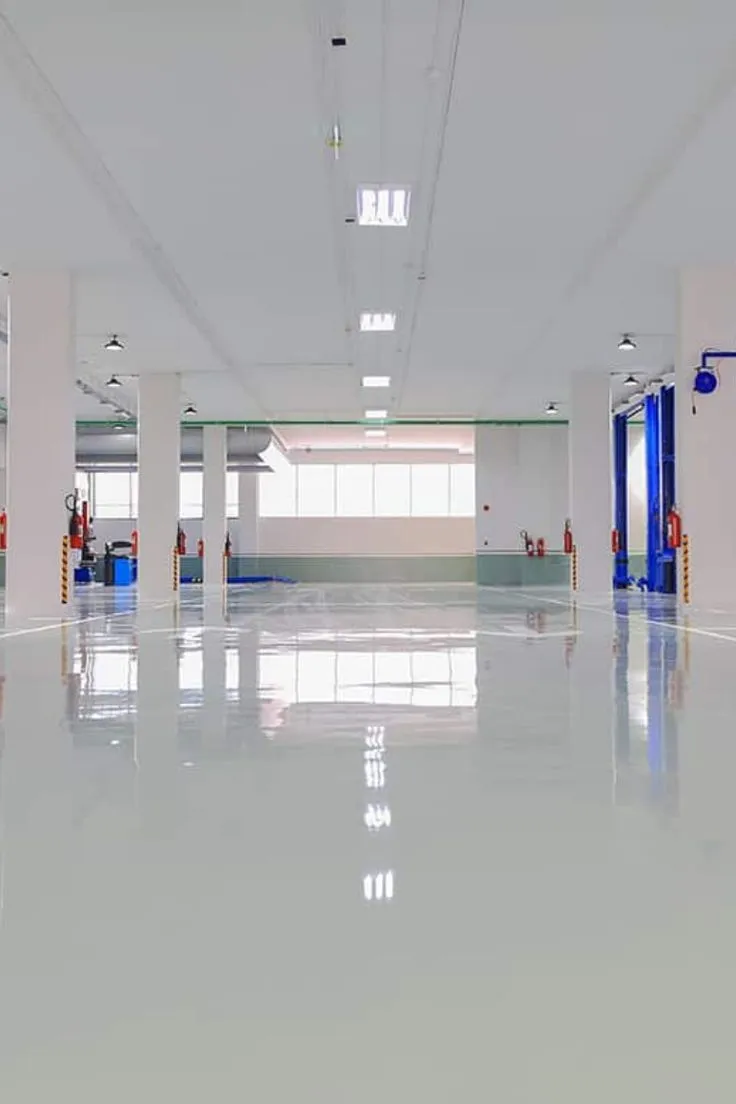
Utility spaces rarely receive the same design attention as living rooms or kitchens. Yet laundry areas, household workshops, and storage rooms often experience some of the most demanding daily activities. Cleaning supplies, moving equipment, occasional spills, and heavy storage can affect ordinary flooring materials over time. Homeowners researching epoxy flooring near me may be looking for a surface that is easier to maintain than worn concrete. However, choosing a suitable finish requires understanding how the room functions, what condition the substrate is in, and whether the proposed system meets everyday household needs.
Identify the Room’s Main Purpose
A laundry area has different requirements from a home workshop. Washing machines introduce vibration and possible moisture exposure, while hobby spaces may experience dropped tools or occasional chemical spills.
Start by identifying the activities that take place regularly. Consider whether heavy appliances will remain in fixed positions or whether furniture and equipment need to move. These observations help establish which flooring characteristics matter most.
Check the Existing Concrete Surface
A concrete floor may look suitable for coating while containing previous sealers, embedded stains, or cracks. These conditions can affect how successfully new materials bond.
Inspect the surface after moving stored belongings away from walls. Persistent damp patches, loose concrete, and unexplained deterioration deserve attention before renovation. A protective finish should not be used to conceal active water intrusion or structural movement.
Consider Water and Drainage Requirements
Laundry rooms and utility spaces may experience water from appliances, plumbing connections, or routine cleaning. Suitable flooring can make certain spills easier to remove, but it does not replace waterproofing where required.
Homeowners should check appliance connections and drainage before installing new finishes. Any recurring leaks need appropriate repair. A continuous-looking surface does not automatically make the entire room waterproof, particularly around walls, joints, and penetrations.
Compare Flooring Materials Realistically
Tiles, vinyl, and resin coatings offer different benefits. Tile provides a familiar finish but introduces grout joints, while some vinyl products offer a softer surface underfoot.
An experienced epoxy flooring company can explain whether a resin-based system suits the existing slab. Epoxy and polyaspartic products differ in curing requirements, appearance, and performance. The selected material should match the room’s activities rather than simply provide a glossy finish.
Plan Around Storage and Appliances
Utility rooms often contain shelves, cabinets, washing machines, and heavy household equipment. Removing these items may be necessary before floor preparation begins.
A practical renovation checklist should include:
-
Confirming appliance and cabinet removal arrangements.
-
Checking plumbing connections for leaks.
-
Identifying concrete cracks or previous coatings.
-
Choosing suitable surface traction.
-
Reviewing curing time before equipment returns.
-
Confirming compatible cleaning products.
Planning these tasks early can prevent last-minute delays and protect the completed surface.
Think About Standing Comfort
Hard flooring can make sweeping and routine cleaning straightforward, but standing for long periods may become uncomfortable.
Homeowners who spend time folding laundry, repairing equipment, or working at benches may benefit from removable anti-fatigue mats. These should be positioned to avoid tripping hazards. Flooring decisions should account for comfort as well as durability.
Choose Colours That Support Everyday Use
Light gray finishes can make compact rooms appear brighter, while decorative flake blends introduce visual texture. Different colours may also affect how easily dirt and minor marks are noticed.
Consider the room’s natural and artificial lighting before choosing a finish. Very glossy surfaces can create reflections that are uncomfortable in small spaces. Samples viewed under actual conditions provide a more realistic impression than online photographs.
Understand Installation Requirements
Professional resin installation may involve mechanical grinding, local repairs, and applying compatible coating layers. These processes require adequate access and appropriate working conditions.
Ask the installer about ventilation, preparation methods, and return-to-service restrictions. A finished floor may feel dry before it is ready to support heavy appliances. Following written curing instructions can help prevent unnecessary damage.
Keep Long-Term Maintenance Simple
A suitable coating may reduce certain cleaning difficulties, but it still requires routine care. Loose grit should be removed before it scratches the surface, and spills should be cleaned promptly.
Use manufacturer-approved cleaning products and avoid dragging heavy appliances across decorative finishes. Periodic inspections can reveal damage or recurring moisture problems that need attention.
Conclusion
Utility room flooring should be selected according to everyday activities, surface condition, and maintenance requirements. Water exposure, equipment movement, storage arrangements, and comfort all influence the most appropriate finish. Homeowners should address existing problems before choosing decorative materials and coordinate installation with other improvements. For residents researching concrete coating options across Los Angeles and neighbouring Southern California communities, epoxysurfaceprosca.com provides information about residential epoxy and polyaspartic services. Thoughtful planning can help create utility spaces that remain organized, attractive, and easier to maintain throughout regular household use.