

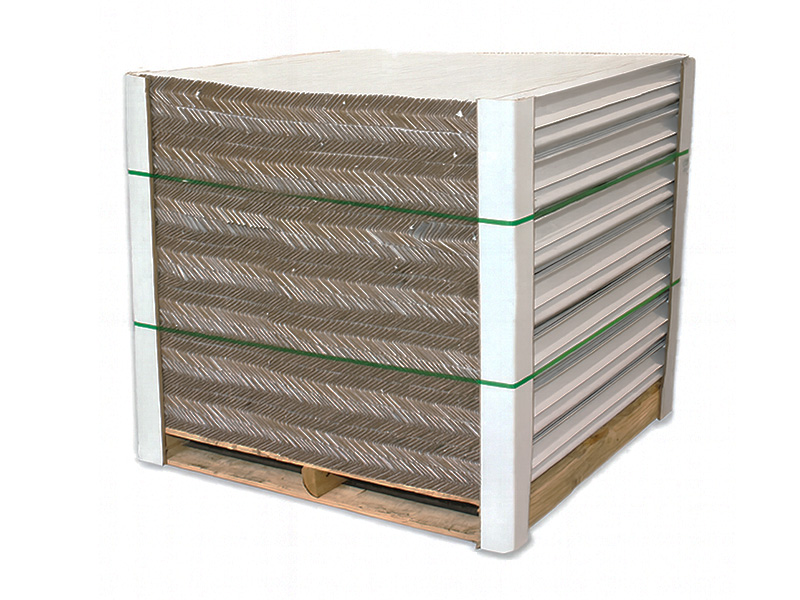
Warehouses today move faster than ever before. Orders are processed quickly, trucks are loaded within tight schedules, and customers expect products to arrive in excellent condition regardless of distance or shipping method. While many businesses invest heavily in forklifts, automation systems, and packaging equipment, smaller protective materials often play a much bigger role in shipping performance than people realize. One of the most important examples is the use of edge protectors and corner protectors for palletized freight.
A pallet can travel through multiple warehouses, distribution hubs, trailers, and delivery systems before reaching its final destination. During every stage of that journey, the load experiences pressure, vibration, movement, and stacking stress. The outer edges of the shipment absorb most of that impact. Without reinforcement, cartons begin weakening around the corners, creating instability that can spread throughout the entire pallet.
This is why pallet edge protectors have become such an essential part of modern shipping operations. They provide structural support to vulnerable edges while helping loads maintain their shape during handling and transportation. Instead of allowing wrapping tension or stacking pressure to crush cartons, the protectors distribute force more evenly across the pallet.
Many businesses first start using corner protectors after experiencing repeated freight damage. A shipment may leave the warehouse looking perfectly fine but arrive with crushed packaging, torn cartons, or products shifted out of position. In many situations, the issue is not poor wrapping or careless handling. The real problem is a lack of reinforcement around the edges of the load.
Stretch wrap alone can only do so much. In fact, applying too much wrap tension without support sometimes causes additional damage by pulling cartons inward. Pallet corner protectors solve this problem by creating a rigid surface beneath the wrap. This allows the film to tighten securely without damaging the packaging underneath. The result is a stronger, more stable shipment that holds together much better during transport.
One of the biggest advantages of edge protectors is improved load stability. Pallets naturally shift during transportation, especially on long routes or uneven roads. Even small movements inside a trailer can slowly weaken the structure of a load over time. Once boxes start leaning or separating, the risk of collapse increases quickly. Reinforcing the edges helps prevent that movement and keeps the pallet aligned throughout the shipping process.
Warehouses storing products at high stack levels also rely heavily on pallet edge protectors. When pallets are stacked several levels high, the lower cartons absorb tremendous vertical pressure. Weak corners can easily buckle under that weight, causing the load to lean or collapse. Protectors strengthen those critical points and help the packaging withstand compression during storage.
Industries shipping heavy products benefit greatly from reinforced corners. Beverage companies, paper manufacturers, construction suppliers, and industrial distributors all deal with significant pallet weight on a daily basis. Without adequate support, even strong corrugated boxes eventually begin losing their shape under constant pressure. Corner protectors provide additional reinforcement that helps maintain structural integrity throughout storage and transit.
E-commerce fulfillment centers have also become major users of pallet corner protectors. Online customers expect products to arrive looking clean and undamaged every time. Damaged packaging often creates a poor first impression, even if the product inside still works properly. Businesses understand that customer experience starts with the condition of the shipment itself.
Returns and freight claims are expensive for online retailers. Every damaged shipment creates replacement costs, labor expenses, and possible negative reviews. Because of this, many fulfillment operations now focus heavily on preventative packaging strategies instead of reacting to damage after it happens. Reinforcing pallets with edge protectors has become one of the simplest and most effective ways to reduce shipping problems.
Another reason businesses continue adopting pallet edge protectors is efficiency. Stable pallets are easier to wrap, stack, and move throughout the warehouse. Employees spend less time correcting collapsed cartons or rebuilding unstable loads. Over thousands of shipments, even small improvements in workflow efficiency can lead to meaningful labor savings.
There is also a growing sustainability component tied to packaging reinforcement. Companies want to reduce waste while still protecting products effectively. Many modern edge protectors are manufactured from recycled paper materials and remain fully recyclable after use. Some businesses are even able to reduce stretch film consumption because reinforced loads require less wrapping to remain stable.
Protectors are now available in many different styles depending on shipping conditions. Standard recycled paperboard protectors remain popular because they are affordable and versatile. Plastic protectors work well in refrigerated or high-humidity environments where moisture resistance becomes important. Heavy-duty laminated versions are designed for industrial shipments that require additional strength.
Choosing the correct protector matters more than many businesses initially expect. Lightweight protectors may work fine for smaller consumer products but fail under heavier loads. If the protector bends too easily, it cannot distribute pressure effectively across the pallet. Businesses should evaluate shipping weight, stacking height, transportation distance, and environmental conditions before selecting materials.
Improper placement is another common issue. Some warehouses apply protectors only to the front corners of the load while leaving other vulnerable areas exposed. While this provides some support, uneven reinforcement can still create weak points. The best results usually come from consistent placement across all critical edges of the pallet.
Cold storage and refrigerated transportation introduce additional challenges. Moisture buildup often softens corrugated cartons, making them more susceptible to crushing under load pressure. Using pallet corner protectors in these environments helps compensate for weakened packaging and improves overall stability during transit.
Automation has also increased the importance of consistent pallet shapes. Conveyor systems, automated storage equipment, and robotic palletizers all function more efficiently when loads remain square and stable. Crushed corners or leaning cartons can interfere with sensors and slow down operations. Edge protectors help maintain cleaner load profiles that move more smoothly through automated systems.
Safety is another major reason companies reinforce pallet edges. Unstable loads create serious risks for warehouse workers and forklift operators. Products that shift or fall during movement can cause injuries and equipment damage. Reinforced pallets are generally safer to handle because they maintain their structure more consistently throughout transportation and storage.
International shipping places even greater demands on packaging durability. Ocean freight containers expose pallets to vibration, compression, humidity, and repeated handling over long periods of time. A shipment moving internationally may change hands multiple times before arriving at its destination. Under those conditions, small packaging weaknesses often become major failures if loads are not reinforced properly.
Some companies are now using custom printed edge protectors as part of their branding strategy. Logos, handling instructions, and product information can be printed directly onto the protectors themselves. This creates a more professional appearance while also improving shipment visibility during handling.
Businesses sometimes hesitate to invest in additional packaging materials because they focus only on upfront cost. However, damaged freight creates much larger expenses in the long run. Product replacements, customer dissatisfaction, shipping claims, and wasted labor quickly outweigh the relatively small cost of pallet reinforcement. Preventing damage before it happens is usually far more cost effective than managing returns and complaints afterward.
As supply chains continue evolving, the need for stronger shipping protection will only increase. Faster delivery expectations and more complex logistics networks place greater stress on palletized freight every year. Businesses that ignore packaging reinforcement often discover the consequences through rising damage rates and unhappy customers.
Reliable edge protectors and pallet edge protectors help businesses create stronger, safer, and more consistent shipments. They improve load stability, reduce packaging damage, support warehouse efficiency, and help products arrive in better condition overall. Whether shipping retail products, industrial materials, or food goods, reinforcing pallet edges remains one of the smartest investments a warehouse can make.
Modern logistics depends on consistency and reliability at every stage of transportation. Using quality corner protectors and pallet corner protectors helps companies strengthen their shipping operations while reducing preventable losses across the supply chain.