

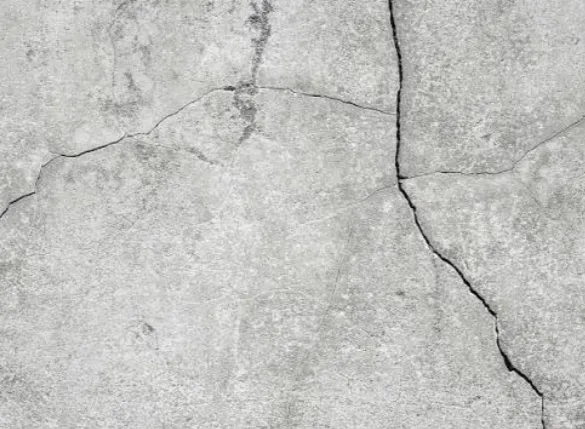
Damaged concrete can cause problems in any space. Cracks, chips, rough spots and worn areas can affect both safety and use. The right concrete repairs can help bring a weak surface back to good shape. But each type of damage needs care. A small crack is not the same as a deep break. The cause matters too. Water, heavy loads, age and poor work can all harm concrete. Before work begins, it helps to check the surface, find the cause and choose a repair method that suits the area.
A good repair should do more than hide a mark. It should help the surface stay firm and safe for daily use. Some areas need a quick fix, while others need deeper work. The choice depends on the size of the damage, the base and how the space is used. A floor in a busy work area may need a stronger finish than a small home path. Taking time to check these points can save money and help avoid repeat work later.
Start By Finding The Damage
The first step is to check the full surface. Look for cracks, holes, loose bits and areas that sound hollow when tapped. These signs can point to a weak base. Dirt may hide small faults, so the floor should be clean before a close check. Pay extra care to corners and joints. Damage often starts there. A clear view helps you judge what needs work and what can stay.
The size of a crack can tell you a lot, but it is not the only clue. A thin line may be old and stable. A wide or growing crack may point to a deeper issue. Look for water marks too. They can show that damp has reached the slab. A good check should cover the whole area, not just the worst spot.
Check What Caused The Problem
Concrete can break down for many reasons. Heavy loads may put too much stress on a floor. Water can seep in and weaken the base over time. Poor mix, weak curing and age can also play a part. In some cases, the top layer wears down due to daily use. Each cause needs a clear fix. If the source of the damage stays in place, even a neat repair may fail.
Water needs close care. It can move through tiny gaps and harm the concrete from below. Changes in heat can also make the slab expand and shrink. This may cause new cracks to form. A floor that carries heavy tools or machines may face a different kind of stress.
Choose A Suitable Repair Method
Not all damage needs the same fix. Small surface chips may need a repair mix, while deep holes may need more work. Wide cracks can call for a method that fills and bonds the weak area. The choice also depends on the depth and state of the base. A good concrete repair plan should match the fault, not just cover what can be seen. The right method can help the surface stay strong and reduce the risk of more damage.
Before work starts, ask what steps the repair will include. The loose parts may need to be cut out or removed first. The area may then need to be cleaned and set for the repair mix. Some products need a set time to cure. Others may need a top coat for extra care.
Think About Daily Surface Use
The way a floor is used should guide the repair choice. A home garage may face car weight, oil spills and tyre marks. A work area may deal with tools, carts and heavy foot traffic. An outdoor slab may face rain, heat and changes in the weather. These needs are not the same. A repair that works well in one place may not suit another. Think about the loads, spills and wear the surface will face each day.
Safety is also key. A smooth floor can be easy to clean, but it should not be too slick. Paths and work zones may need a finish with better grip. The right surface can help lower the risk of slips and falls. It can also make care much easier.
Conclusion
Choosing the right fix for damaged concrete starts with a close check. Find the cause, study the depth of the damage and think about how the surface is used. The repair method and material should suit these needs. Good prep is just as important as the product itself.
Every surface has its own needs. A clear plan can help avoid poor results and extra costs. If you need help with a worn or cracked floor, visit epoxyflooringredlands.com.au to learn more about repair options.