

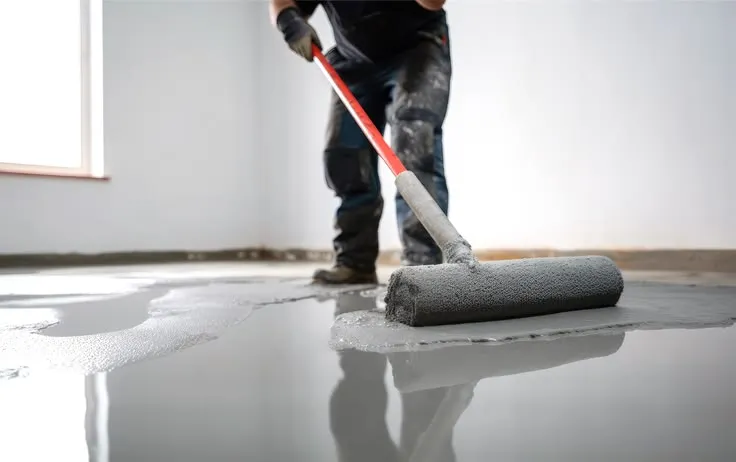
Choosing a flooring contractor can be surprisingly complicated when several companies advertise similar materials and installation promises. Homeowners may receive quotations that look comparable but include different preparation methods, coating systems, and warranty conditions. Searching for epoxy flooring near me provides a starting point, but selecting a reliable professional requires a closer examination of the proposed work. Understanding what separates a detailed installation plan from a basic estimate can help Los Angeles property owners avoid unnecessary expenses and make confident renovation decisions.
1. Look Beyond the Initial Quotation
The lowest quotation is not necessarily the best value. One contractor may include concrete grinding, crack repairs, and protective finishing layers, while another prices only the coating application.
Ask for an itemized proposal explaining the materials, preparation requirements, and expected project duration.
The estimate should also identify whether additional charges could arise if hidden concrete damage is discovered.
Comparing the complete scope of work makes it easier to understand pricing differences and prevents important installation stages from being overlooked.
2. Ask How the Concrete Will Be Prepared
Proper preparation is fundamental to coating performance. Concrete may contain old paint, grease, adhesives, moisture, or weak surface material that affects adhesion.
Professional installers commonly use mechanical grinding to create a suitable bonding profile.
Existing cracks and damaged areas may require repairs before resin application. Moisture concerns should also be evaluated rather than concealed beneath a new coating.
A contractor who explains the preparation process demonstrates an understanding that long-term flooring performance depends on more than the visible decorative finish.
3. Understand the Proposed Coating System
Epoxy and polyaspartic materials offer different characteristics, including curing times, ultraviolet resistance, and application requirements.
Some residential installations combine a pigmented base coat, decorative flakes, and a compatible protective topcoat. Other environments may benefit from solid-color or metallic systems.
The appropriate combination depends on how the floor will be used.
Homeowners should ask for product information rather than accepting general descriptions such as industrial strength.
Understanding the proposed materials helps establish realistic expectations about appearance, maintenance, and durability.
4. Compare Contractors Using Practical Criteria
Before signing an agreement, property owners should evaluate several details that can influence the installation experience.
-
Licensing: Verify applicable California contractor licensing requirements.
-
Experience: Review examples of projects involving similar surfaces.
-
Preparation: Confirm how contamination and concrete damage will be addressed.
-
Materials: Request details about the complete coating system.
-
Scheduling: Clarify installation, curing, and return-to-service requirements.
-
Warranty: Understand coverage, limitations, and maintenance obligations.
These checks help distinguish a comprehensive proposal from one that leaves important responsibilities unclear.
5. Review Completed Projects Carefully
Established floor coating contractors should be able to discuss relevant completed installations and explain the materials used.
Photographs can demonstrate decorative possibilities, but they do not always reveal surface preparation quality or long-term performance.
Look for examples involving similar traffic conditions, concrete surfaces, and environmental exposure.
A garage used for daily parking has different requirements from a showroom or workshop.
Customer feedback may also provide useful information about communication, scheduling, and site cleanliness.
Combining these observations offers a more balanced assessment than relying on promotional images alone.
6. Clarify the Installation Schedule
Property owners should distinguish between application time and the point when a finished surface can safely return to normal use.
Some polyaspartic systems cure relatively quickly, while conventional epoxy products may require longer intervals.
Concrete repairs, unexpected moisture problems, and existing coating removal can also affect scheduling.
Ask when walking, moving furniture, and vehicle parking will be permitted.
A clear timetable helps households arrange alternative parking and prevents premature use from damaging the new finish.
7. Discuss Maintenance Before Installation
Maintenance requirements should be explained before the project begins, not after the floor develops visible wear.
Ask which cleaning products are compatible with the chosen coating and whether particular chemicals should be avoided.
Protective pads, regular sweeping, and prompt spill removal may help preserve the appearance of the surface.
The contractor should also explain how localized damage can be addressed.
Understanding future care requirements allows property owners to choose a finish they can maintain realistically rather than purchasing solely on appearance.
Conclusion
Selecting an installation professional requires attention to preparation methods, materials, scheduling, and long-term responsibilities. A detailed quotation should explain what happens before, during, and after coating application. Property owners who compare these elements can make decisions based on practical value instead of attractive promises. For residential and commercial concrete coating services throughout Los Angeles and surrounding Southern California communities, epoxysurfaceprosca.com provides information about available systems, completed projects, and professional installation options.