

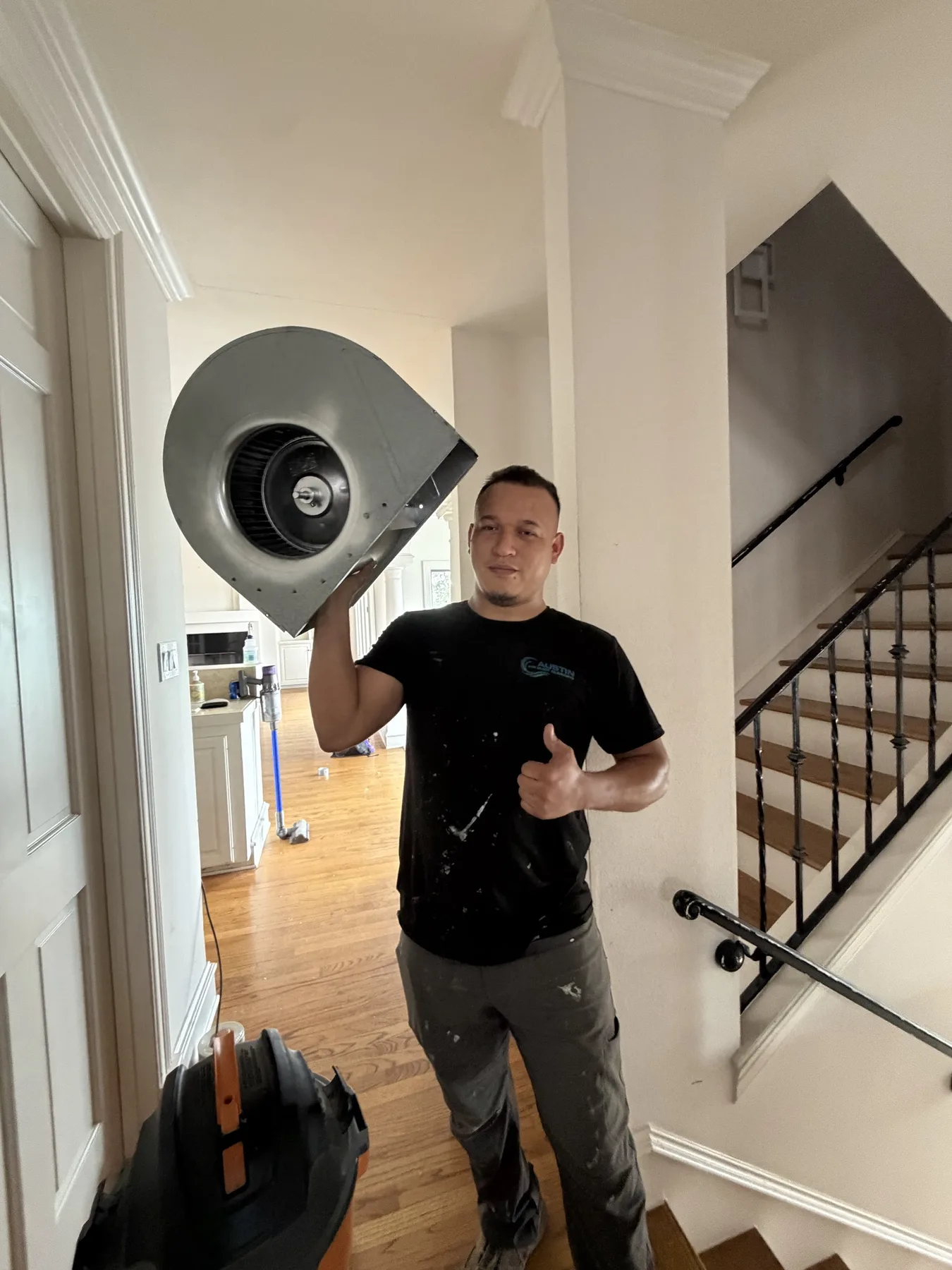
Maintaining consistent climate control across Central Texas requires continuous mechanical stewardship, especially given the region’s intense seasonal pollen surges and prolonged heat waves. When forced-air systems experience restricted airflow or persistent particulate blow-by, choosing professional Air duct cleaning in austin restores factory air volume and protects critical mechanical components. Investing in certified Austin air duct cleaning eliminates entrenched biological microspores, post-construction fine grit, animal dander, and volatile organic particulates trapped deep within ventilation infrastructure. Without periodic intervention, internal accumulation strains blower components, elevates monthly electricity expenses, and compromises ambient residential wellness.
Environmental Pressures Driving Austin Air Duct Cleaning
Central Texas features a demanding sub-tropical environment characterized by extreme summer heat, elevated humidity, and concentrated vegetative pollen blooms. These localized environmental variables subject residential and light commercial HVAC networks to severe operational stress.
The Central Texas Allergen Burden
Austin ranks consistently among the country’s most challenging metropolitan areas for respiratory sensitivities. Several persistent botanical cycles continuously introduce volatile organic debris into residential ventilation systems:
-
Mountain Cedar (Juniperus ashei): Pervasive winter cedar pollen grains easily bypass standard pleated media filters, adhering to internal flex-duct ridges.
-
Spring Live Oak Resins: Fine botanical particles combine with ambient moisture to form tacky surface films across return lines and plenum walls.
-
Autumn Ragweed and Fungal Matter: Late-season weed pollens mix with condensate runoff, producing stubborn organic mats inside lower supply registers.
Unconditioned Attic Thermal Dynamics
Most single-family properties in Austin route flexible composite ductwork through unconditioned attic spaces where ambient summer heat regularly surpasses 135°F. This high thermal differential accelerates the deterioration of exterior vapor barriers, mastic seals, and hanging straps.
When negative-pressure leaks develop along return runs, the system pulls loose fiberglass insulation, attic particulate, and pest residue straight into the air handler. These contaminants are instantly distributed through occupied living spaces, bedrooms, and home offices.
Diagnostic Indicators: Recognizing Contaminated Duct Systems
Catching ventilation fouling in its early stages prevents premature blower motor burnout and preserves ambient breathing safety. Modern homeowners can monitor several key diagnostic warnings during regular filter replacements.
Primary Warning Signs
Inspect your registers, return grilles, and cooling equipment for these common diagnostic indicators:
-
Carbon Tracking Around Supply Vents: Dark, fuzzy halos around register frames indicate significant duct leakage and continuous particulate blow-by.
-
Persistent Musty Odors on Startup: Stale, damp smells when air handlers initiate indicate established microbial colonies along cooling coil fins or condensate pans.
-
Static Pressure and Velocity Imbalances: Uneven cubic feet per minute (CFM) delivery across balanced supply boxes signals internal debris accumulations or crushed flex branches.
-
Accelerated Surface Dust Deposition: Polished surfaces and tables gathering visible dust blankets within 48 hours of cleaning point directly to contaminated supply pathways.
Key Takeaway: If removing a ceiling diffuser reveals visible debris fields or system filters deflect inward under heavy static draw, arrange a formal video borescope inspection immediately.
The NADCA Technical Standard: Remediation Step-by-Step
Effective ventilation decontamination requires commercial-grade negative air machinery and strict containment procedures that far surpass utility shop vacuums. Legitimate remediation follows protocols established by the National Air Duct Cleaners Association (NADCA).
Step 1: Pre-Service System Diagnostics and Static Assessment
Technicians begin by verifying baseline equipment operations, running optical borescopes through supply and return trunks, and taking differential static pressure readings. This diagnostic profile guarantees measurable proof of airflow improvement once remediation concludes.
Step 2: Negative Pressure Containment Setup
Specialists connect high-capacity, multi-stage HEPA vacuum extraction units directly to main trunk lines while temporarily sealing all register diffusers. This approach creates continuous negative pressure throughout the system, ensuring dislodged particulates cannot escape into living spaces.
Step 3: Mechanical Agitation and High-Velocity Debris Extraction
Crews systematically introduce pneumatic agitation whips, high-pressure air sweeps, and industrial rotary brushes through every distinct run:
-
Targeted Mechanical Scouring: High-speed rotary heads dislodge adhered dust, chemical scale, and dirt layers from galvanized sheet metal and flexible duct walls.
-
Continuous Directional Vacuum Pull: Continuous negative airflow draws loosened debris down containment lines into external HEPA collection hoppers.
-
Diffuser and Grille Deep Cleaning: Each diffuser grille is removed, degreased, hand-scrubbed, and treated before reinstallation.
Step 4: Component Cleansing and Biological Decontamination
Technicians clean the blower fan blades, vacuum evaporator coil fins, and flush out the primary condensate tray. When biological contaminants are verified, technicians apply an EPA-registered, botanical-based antimicrobial mist to suppress remaining dormant spores without leaving toxic chemical residues.
Quantifying the Value: Energy Efficiency and Respiratory Health
Systematic duct decontamination yields verifiable utility savings, minimizes mechanical strain, and protects occupant health.
|
Operational Factor |
Neglected Duct Infrastructure |
Professionally Restored Network |
|
System Static Pressure |
Elevated; overworks motor assembly |
Normalized; allows smooth laminar flow |
|
Cooling Cycle Duration |
Extended; inefficient thermal transfer |
Rapid; shorter runtime to hit target temperature |
|
Floating Airborne PM2.5 |
High ambient micro-particulate load |
Minimal floating particulate concentration |
|
Equipment Life Expectancy |
Early compressor and motor failure |
Extended operational longevity across components |
Measurable Power Bill Reductions
Clean duct interiors lower aerodynamic drag across heat-exchange fins and blower motors. Restoring free-flowing air enables variable-speed and two-stage cooling units to operate at lower, energy-efficient speeds, visibly reducing monthly electrical draw during peak cooling months.
Relieving Chronic Respiratory Stress
Clearing out heavy biological deposits, animal dander, and trapped botanical pollen helps reduce morning congestion, dry coughs, and sinus headaches. A cleansed ventilation foundation establishes a stable indoor environment, allowing home air purifiers to run at peak efficiency.
Selecting an HVAC Cleaning Specialist
The duct cleaning market includes low-cost contractors who use underpowered utility equipment that merely scatters settled dust throughout your home. Protecting your HVAC investment requires confirming essential technical credentials before hiring a crew.
Essential Contractor Checklist
Always demand verification of these credentials before scheduling an appointment:
-
NADCA Certification: Verifies full adherence to standard ACR (Assessment, Cleaning, and Restoration) specifications.
-
State HVAC Licensing and Liability Insurance: Protects your home and property against mechanical damage during service.
-
Industrial Extraction Equipment: High-CFM negative air vacuum setups equipped with genuine multi-stage HEPA filters.
-
Clear Photo Verification: High-resolution before-and-after photographic proof showing the interior walls of your supply trunks and cooling coils.
Sustaining Pristine Air Quality Across Central Texas
Protecting your duct remediation investment requires simple, consistent habits. Replace basic fiberglass mesh filters with high-capacity MERV 8 to MERV 11 pleated media every 60 to 90 days. Keep your blower setting on “Auto” to limit excess humidity accumulation within duct runs during warm months, and verify that attic insulation remains evenly spread across all branches. Scheduling a professional inspection every three to five years protects your HVAC system, ensuring your home enjoys clean, unobstructed airflow all year round.